First Published 1975 - 3,520 copies published quarterly and delivered FREE to all households in Barrow upon Soar

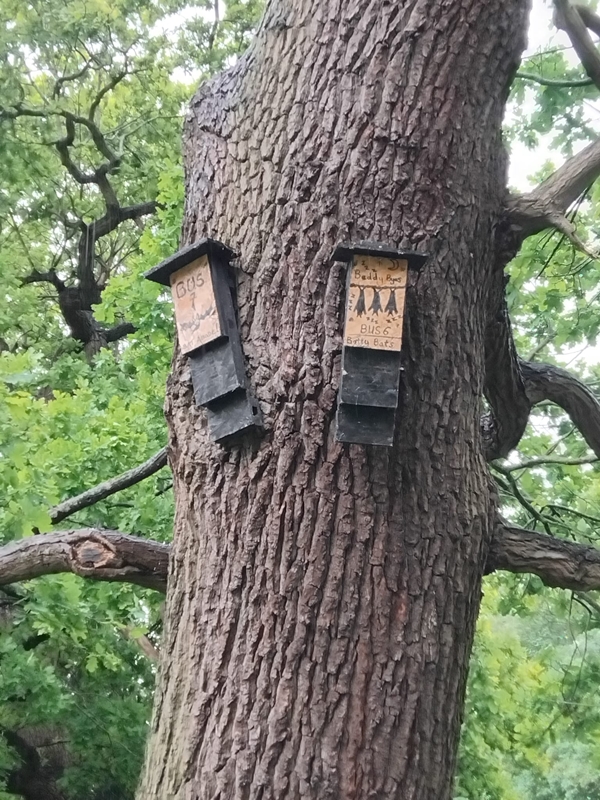
We’ve reported extensively about the BATS group in Barrow Voice over the years, but now I think it’s about time we talk about the other kind. Bats, the animals, are the only known category of flying mammals. For years they have been associated with horror movies and fears around disease, leading to them having a pretty poor reputation, with many believing them to be ugly, winged vermin. So let me take some time to redeem their image.
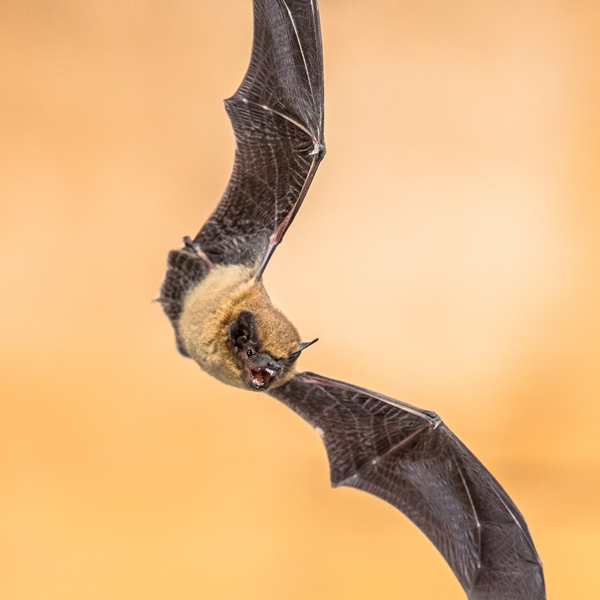
Firstly, they are not rodents with wings; despite being small and furry with mouse-like ears, they are actually, genetically speaking, more closely related to humans than mice. There are eighteen different species of bat found in the UK, seventeen of which are native, and all of them exclusively eat insects which makes them excellent for pest control. In fact, pipistrelle bats which are one of our most common varieties can eat up to 3,000 insects per night despite being on average, only four centimetres from head to tail and weighing just five grams. For reference, that’s the same weight as a 20p coin. Considering this small size, they can live for an exceptionally long time, up to thirty years in many cases. Contrary to popular belief, the risk of catching diseases like rabies is actually quite low, although it is still best to avoid being bitten by them; which in itself is extremely unlikely unless you are physically handling one roughly.
Hopefully, you should have no reason to handle one. The only times it may be necessary are if a bat gets stuck indoors or you see one on the ground. If a bat is stuck indoors, always try coaxing it to fly out on its own first, however, a bat on the ground is always in need of help. It may be sick or injured or undernourished, therefore the first thing you should do is contact the Bat Conservation Trust on 03451 300 228. To pick one up, approach the situation the same way you might with a spider, either with a towel or thick cloth, or a large enough box such as a shoebox and piece of thick card or board. Once you have the bat, place it gently into a shoebox with the towel for warmth and somewhere to hide, as well as a bottle cap with a few drops of water in it for hydration. Put the box somewhere dark and quiet and check the water regularly. Be sure to also follow any and all instructions given by the BCT while they are on the phone.
Most of the time bats are perfectly capable of looking after themselves. In the wild they don’t build nests the way birds do, instead they simply roost up in sheltered locations such as trees or the rafters of accessible buildings which makes them cleaner than birds who bring their own bedding materials from outside back to their nests. Different bats also prefer different roost spaces.
.jpg)
For example, the pipistrelles which I mentioned previously prefer to roost in tight spaces where they can hide, whereas long-eared bats, one of the other most common UK varieties, like more open spaces. The fact that they don’t make mess and love to hide does make it more difficult to know if you have bats living in your property. One way is to check for droppings; bat droppings look very similar to rodent ones so the best way to identify them is with the “crumble test”. If you are eating, you may want to pause for a moment. To conduct the test, simply pick one up and squeeze it between your fnger and thumb. Wear gloves obviously. Bat droppings crumble away to powder when you pinch one, whereas rodent one’s squish. The other way to know of course is to watch for activity at dusk, when the bats leave to go hunting, or at dawn, when they return home. It is also at these times that you are most likely to hear them chittering. Bats are seasonal creatures, but they are known to be very loyal to their roost sites, returning each year so the best time to listen is in the morning during the summer months as they are often caring for their babies who, like children universally, scream for food when their parents get back. Another interesting fact is that a pair of bats will only have one baby per year.
It is crucial to remember that bats and their roosts are protected by law, therefore, if you are having any renovations done to your property and bats are discovered at the site, all work must stop immediately, and the Bat Conservation Trust should be contacted. It may be sensible to carry out an inspection before any work begins to ensure that the Trust can safely remove and relocate them with minimal disruption.
Elliot Wilkes
